Intrast
Intrast

For Forestry students at UBC

If you are studying Forestry at UBC, you are being trained to think in decades.

You work with systems that do not respond quickly, where decisions made now shape outcomes long after institutions, funding cycles, and job titles change.


That long view is increasingly rare.


It is also increasingly necessary.
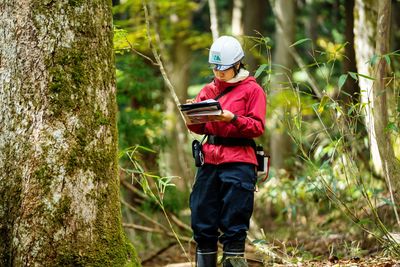
The pressure Forestry students are stepping into

Forestry and environmental stewardship sit at the intersection of ecology, economics, governance, and conflict.


AI can model forests.
It can optimize harvest schedules.
It can simulate climate scenarios.


What it cannot do is:


  • navigate contested land use
  • repair broken trust
  • coordinate across communities, governments, and industry
  • carry responsibility across generations
     

At the same time:


  • roles are often project-based
  • organizations change names, mandates, or funding
  • work is geographically dispersed
  • institutional memory is thin
     

This creates a risk that Forestry students recognize early:

The work lasts longer than the structures that support it.

Why Forestry networking often breaks down

Forestry networking tends to be:


  • employer-specific
  • cohort-bound
  • tied to particular regions or projects
     

People connect intensely in the field, then lose touch when contracts end or work moves elsewhere.

Knowledge, relationships, and trust are often left behind with each transition. New teams relearn old lessons. The same conflicts resurface without shared history.


This is not a failure of individuals.


It is a failure of continuity.

What resilience looks like in stewardship work

Resilience in Forestry is not flexibility alone.


It comes from people who:


  • maintain long-term relationships across roles and regions
  • stay connected to others doing adjacent work
  • carry local knowledge forward as projects change
  • remain accountable to people, not just outcomes
     

Their influence grows slowly, through recognition and trust over time.

That kind of continuity has to be protected.

intrast, for Forestry students

intrast helps preserve relationship continuity in work that outlasts institutions.


It allows you to...


...stay connected to people across contracts and regions
...remain visible to others working on similar land and resource issues
...share lived experience that does not fit into reports
...carry relationships forward even as formal structures reset
 

It does not speed the work up.
It helps it endure.

How Forestry students tend to use intrast

Forestry students often use intrast to:


  • maintain long-term connections beyond specific projects
  • find others working in similar ecological or governance contexts
  • stay grounded in community-based perspectives
  • reduce the loss of knowledge and trust between roles

It becomes a quiet archive of relationships.

Stewardship depends on memory

And memory depends on people staying connected.

intrast helps you hold continuity across change, so responsibility does not disappear every time a project ends.

Before you need a network, it’s already here.

Download intrast for AndroidDownload intrast for IOS

Copyright © 2026 intrast - All Rights Reserved.

Email: contact@intrastapp.com

  • Home
  • Our History
  • Newsletter
  • intrast Privacy Policy
  • CSAM
  • Donate

This website uses cookies.

We use cookies to analyze website traffic and optimize your website experience. By accepting our use of cookies, your data will be aggregated with all other user data.

Accept
